
The allure of chance and risk
The thrill of gambling is woven into the very fabric of human psychology. When people enter a casino, they are not just looking for a way to pass the time; they are captivated by the unpredictability and excitement that comes with taking risks, especially when playing the best online pokies that offer unique experiences alongside traditional games. This fascination with risk harkens back to our evolutionary history, where taking chances could lead to essential rewards like food, shelter, or safety. The same psychological triggers are activated in players as they place bets, creating an exhilarating sense of anticipation and engagement that can be hard to resist.
Moreover, risk-taking is closely tied to the human need for control and mastery over one’s environment. Players may understand that outcomes are largely left to chance, yet part of the excitement stems from the belief that their choices or strategies can influence the results. This illusion of control not only bolsters their commitment to gambling but also makes each game feel like a personal challenge against the odds. Such cognitive dissonance propels players to keep gambling, often leading to repeated attempts in hopes of clinching that elusive win.
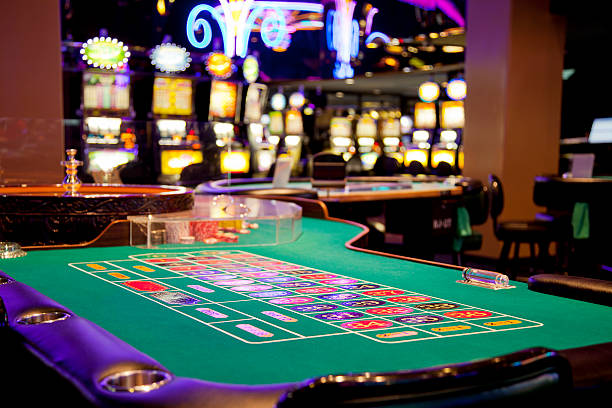
In addition, casinos are meticulously designed to heighten the emotional highs and lows that accompany gambling. From the flashing lights to the sounds of ringing slot machines and the vibrant atmosphere, every element is crafted to amplify excitement and alter players’ mental states. These atmospheric factors enhance the overall experience, making the psychological thrill an integral part of gambling. This engineered environment also fosters a sense of community, further solidifying the appeal of gambling as a social event rather than merely a solitary activity.
The role of rewards and reinforcement
The psychology of rewards and reinforcement lies at the heart of gambling behavior. Casinos implement various reward systems to entice players to keep coming back. These rewards can range from complimentary drinks and promotional offers to loyalty programs that allow players to earn points redeemable for prizes. The immediate gratification of winning—whether it’s a jackpot or a free meal—serves as a powerful motivator that encourages players to engage, despite their awareness of the inherent risks of losing.
This reinforcement is exacerbated by the variable-ratio schedule of rewards, whereby payouts are unpredictable. The uncertainty surrounding when a win might occur instills a sense of anticipation that can be more compelling than the reward itself. This phenomenon, known as the ‘gamblers’ fallacy,’ leads players to believe they are on the verge of a win, perpetuating their gambling behavior over time. The psychological reinforcement of these intermittent rewards can create a cycle of gambling that is challenging to break.
Furthermore, winning activates the release of dopamine—a neurotransmitter linked to pleasure and satisfaction. This chemical release induces feelings of euphoria, reinforcing the desire to gamble again. The more often a player experiences wins, the stronger the connection between gambling and positive emotions becomes, often resulting in a compulsive cycle of betting. Understanding the mechanics of reward and reinforcement is crucial to grasping why many individuals find themselves drawn to gambling in casinos.
The impact of social influences
Social dynamics significantly influence gambling behavior. When friends or family gather at a casino, the experience transforms from a solitary pursuit into a collective event, enhancing enjoyment and excitement. The thrill of shared experiences and peer pressure can drive individuals to gamble, as they seek to participate in the same activities as those around them. This social aspect amplifies the psychological allure of gambling, turning an outing into a bonding experience.
Additionally, social validation plays a crucial role in shaping one’s gambling decisions. Witnessing others win can evoke feelings of envy or the urge to prove oneself, pushing individuals to place bets they might not have otherwise considered. The collective energy in a crowded casino can create a sense of unity and excitement, prompting players to take risks they might avoid in a different context. Consequently, social influences significantly buoy and reinforce gambling behaviors, making them an inherent part of the overall experience.
As online gambling continues to gain popularity, the social elements have adapted as well. Virtual interactions and shared gaming experiences allow players to connect while enjoying gambling from the comfort of their homes. This evolution underscores the importance of social influences in gambling psychology, demonstrating that the quest for connection and community remains vital regardless of the medium. Ultimately, the social dimension is pivotal in understanding why we are drawn to gambling and casinos.
The psychological pitfalls of gambling addiction
Grasping the psychology behind gambling is essential, especially in recognizing the dangers of gambling addiction. For certain individuals, the thrill can morph into compulsive behaviors that cloud their judgment. The relentless pursuit of the next win often leads to neglect of personal finances, relationships, and responsibilities. This addiction can inflict severe emotional distress, affecting not only the individual but also their friends and family, creating a ripple effect of hardship.

Cognitive distortions frequently manifest in those grappling with gambling addiction, as they may cling to the belief that they can “win it all back” after a loss. Such thought patterns create barriers to acknowledging the detrimental consequences of their gambling habits. The psychological need for validation and self-worth can further complicate matters, with individuals resorting to gambling as a temporary escape from reality or a means to cope with stress and anxiety. Understanding these psychological undercurrents is critical for addressing gambling addiction effectively.
Addressing gambling addiction requires a nuanced understanding of its psychological roots. Interventions often employ cognitive-behavioral techniques to address distorted thinking and equip individuals with healthier coping mechanisms. Providing support, education, and resources is imperative for breaking the addiction cycle. By fostering awareness and understanding, the dialogue surrounding gambling can transition from mere entertainment to a significant public health concern that demands attention.
Expanding awareness and responsible gaming
As the comprehension of gambling psychology deepens, the promotion of responsible gaming becomes increasingly vital. Awareness initiatives aim to educate players about the risks linked to gambling, empowering them to make informed decisions. By spotlighting the signs of addiction and the importance of moderation, these campaigns encourage individuals to engage with gambling in a way that mitigates potential harm.
Casinos are also embracing responsible gaming practices to protect their patrons. Many establishments now offer self-exclusion programs, options for setting limits, and easy access to resources for individuals facing gambling-related issues. By cultivating a culture of responsibility and accountability, casinos can create a safer environment for players while providing avenues for entertainment and social interaction.
Moreover, discussions surrounding responsible gaming extend beyond the casino floor. Online platforms and mobile applications have incorporated responsible gaming features, such as spending alerts and time limits, to assist users in monitoring their gambling activities. As society continues to navigate the complexities of gambling, prioritizing education and awareness remains essential for fostering a positive gambling experience for all participants.
Share This Article
Choose Your Platform: Facebook Twitter Google Plus Linkedin